-
Is the Fully Jarvis Standing Desk Being Discontinued in 2024 or 2025?
-
Is the Jarvis Desk Worth the Price?
-
Which Top Material Should I Choose: Bamboo, Hardwood, or Laminate?
-
How Hard Is It to Assemble a Jarvis Desk?
-
How Stable Is the Desk at Standing Height?
-
Can I Buy Just the Frame to Build My Own Desk?
-
What About the Resale Value?
-
Conclusion
When my company decided to finally address the ergonomic nightmare in our open-plan office, I was the one tasked with finding a solution. After managing vendor relationships and processing purchase orders for five years, I've learned that buying office furniture isn't just about picking what looks cool in a showroom. It's about total cost of ownership (TCO), employee satisfaction, and avoiding the kind of headaches that make you want to scream into a supply closet.
Last year, I placed an order for 40 Jarvis standing desks across three locations. I've been fielding questions from internal teams and other admins ever since. So, here's a no-nonsense FAQ based on what people actually ask me.
Is the Fully Jarvis Standing Desk Being Discontinued in 2024 or 2025?
I keep seeing this question come up on Reddit and in my own inbox. Let me be clear: I'm not a product manager at Herman Miller, so I can't speak to corporate roadmaps. What I can tell you from a purchasing perspective is that as of our last major order in Q1 2025, the Jarvis is still very much a core product. There have been some rumors about specific frame revisions, but the desk itself isn't going anywhere. My advice? If you're worried, look at the frame-only options. It means you're buying the mechanics and rolling your own top—which is a smart way to future-proof your investment anyway.
Is the Jarvis Desk Worth the Price?
This is the question everyone asks after they see the price tag. The $600 to $1,200+ range isn't chump change. But think about it: your team is sitting at these for eight hours a day, five days a week. The cheapest standing desk I tried from a budget brand wobbled so much that my monitor shook when I typed. That's not a cost-saver; that's a productivity killer.
When I compare vendor quotes, I use a TCO framework. For the Jarvis, the premium over a budget brand is usually $200 to $400. But that includes a robust warranty (15 years on the frame), better support from a company backed by Herman Miller, and a resale value that's surprisingly good. A budget desk that breaks in two years costs you twice—once to buy, once to replace. The Jarvis is a no-brainer if you're planning to keep it longer than 36 months.
Which Top Material Should I Choose: Bamboo, Hardwood, or Laminate?
This one's a matter of taste and trade-offs. Our office has all three.
- Bamboo: I love the look. It's eco-friendly, which is a big deal for our company. But remember, bamboo is a multilayered material. The color is consistent, and it ages well. We haven't seen any warping, even in our humid office near the kitchen. It's pretty good for the price.
- Hardwood: This is the premium choice. It feels solid, and the grain is unique. If you're putting this in an executive office or a client-facing area, get the hardwood. It's a $100-200 premium over bamboo, but worth it for the aesthetics.
- Laminate: This is the workhorse. It's durable, relatively scratch-resistant, and comes in white and black. If you're outfitting a call center or a high-traffic zone, get the laminate. It's easier to clean and cheaper to replace if someone damages it.
A tip: If you're ordering for a large team, let employees pick their own top material, but standardize the frame color. It keeps the office looking cohesive without being a dictatorship.
How Hard Is It to Assemble a Jarvis Desk?
Honestly? It's not a five-minute job, but it's not a nightmare either. The frame weighs about 70 lbs, so you'll definitely want a second person to help flip it. The instructions are clear, and all the tools are included.
In my first year of managing office orders, I made a classic mistake: I didn't verify the assembly team's schedule before the desks arrived. They sat in boxes for three weeks, taking up space in our already-cramped storage room. Learn from me. Plan the assembly date when you place the order.
For a single desk, budget about 45 minutes to an hour. For 40 desks, hire a crew. It'll cost a few hundred dollars, but it'll save your maintenance team a ton of frustration.
How Stable Is the Desk at Standing Height?
Stability is the make-or-break feature for a standing desk. I tested a few from competitors, and the wobble was bad enough that I didn't trust my coffee mug near the edge. The Jarvis uses a high-quality frame that doesn't shake much unless you're trying to shake it. At max height (about 50 inches), there's a tiny bit of lateral movement if you bump it, but it's negligible for typing. I'm not a mechanical engineer, so I can't speak to the tolerances. What I can tell you is my team hasn't complained about it once.
Pro tip: if you're putting a heavy monitor arm on it, get the larger frame with the wider foot. It costs a bit more, but it makes a noticeable difference in stability.
Can I Buy Just the Frame to Build My Own Desk?
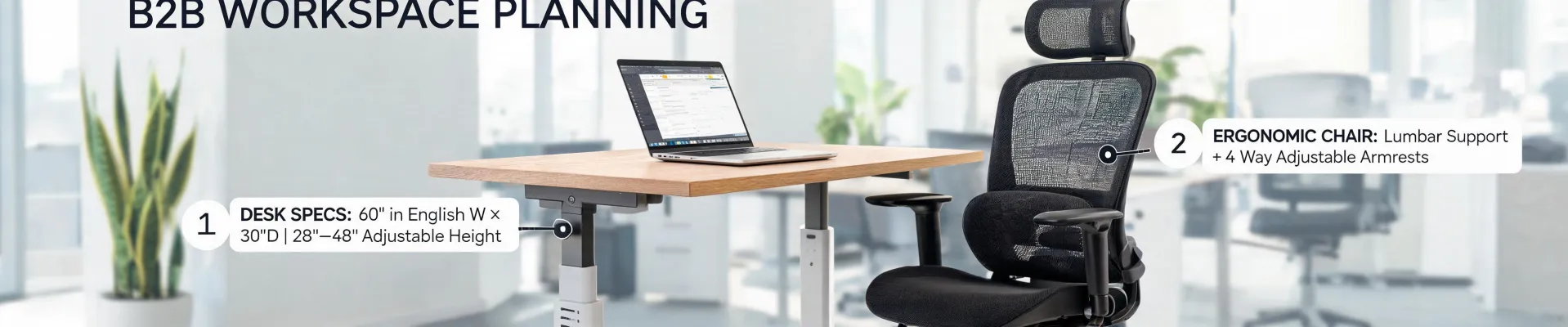
Yes. This is one of the smartest ways to buy a Jarvis. The frame starts around $450. You can then go to IKEA or a local lumber yard and get a butcher block top for far less than the company charges. Why would you do this? A few reasons:
- Custom sizing: Our office has a weird nook that wasn't working with standard dimensions. A custom top fixed that.
- Cost control: On a per-desk basis, we saved about $150 to $200 by buying the frame only and sourcing tops locally.
- Speed: The frame ships quickly. The top you can get in a day from a local supplier.
The only downside? You lose the warranty on the top. But if it's a third-party top, you weren't getting that coverage anyway.
What About the Resale Value?
This might seem weird to worry about before you even buy, but trust me, it matters. When our company expanded and we needed to reconfigure layouts, we sold off some old desks. The Jarvis desks held their value far better than the budget ones. I saw used Jarvis frames sell for about 50-60% of the original price on Facebook Marketplace and local office liquidators. The laminate tops? Basically worthless. The hardwood and bamboo ones retained some value.
If you're buying with an eye on the future, get the frame and a standard-sized top. That combo is the easiest to sell or repurpose later.
Conclusion
Look, I've been doing this for five years now. I've seen dozens of vendors come and go. The Fully Jarvis is a solid, reliable product that I've been happy to recommend to my team. It's not cheap, but you need to think about the total cost, not just the sticker price. The budget desk you buy today will cost you in productivity, frustration, and replacement costs later.
Is it perfect? No. Nothing is. But for a standing desk that's going to be used for years, it's a pretty solid choice.
